You want a night under the stars, but a quick search leaves you stuck: why does a furnished tent cost three or four times what a regular campsite does, and is the difference actually worth it? That price gap is the heart of the glamping vs camping decision, and the answer depends on how often you travel, who comes with you, and how much comfort you need after dark.
This guide walks through both options step by step. We compare the core differences, break down what each style really costs once gear and hidden extras are counted, and look honestly at sleeping arrangements, bathrooms and rainy nights. You’ll also find packing lists for each style, advice on booking windows and seasons, and a simple way to match the right option to your trip. By the end, you’ll know exactly which one fits your next night outdoors — and your budget.
Glamping vs Camping: The Core Differences at a Glance
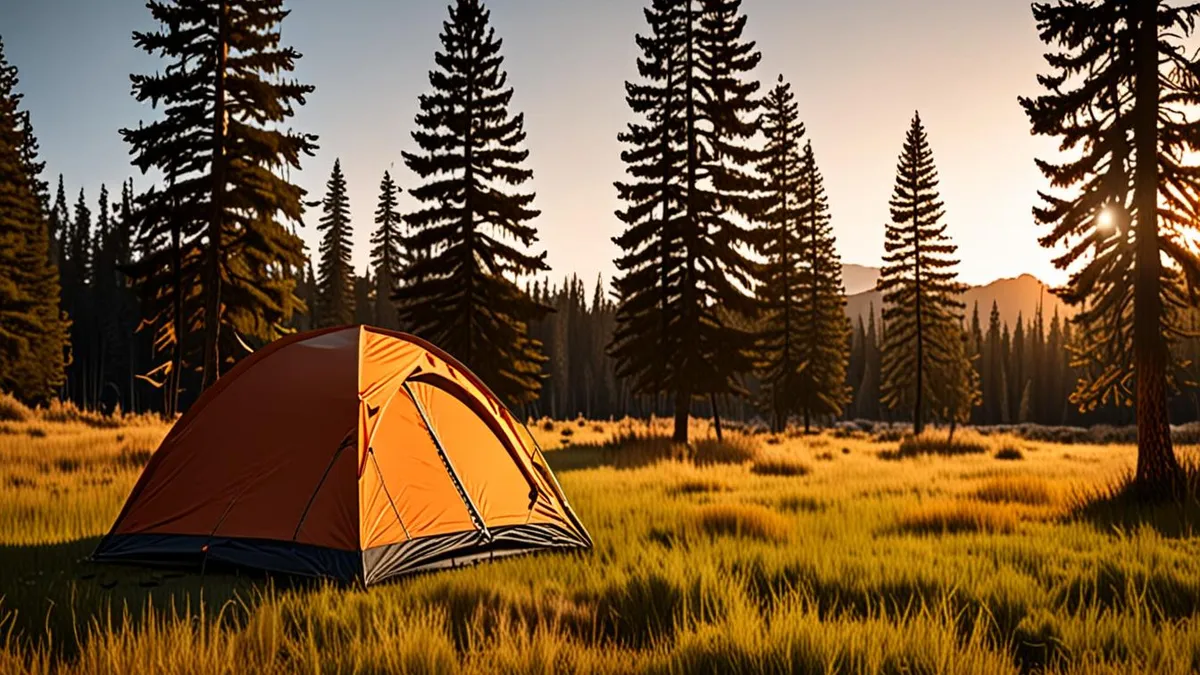
The fundamental split comes down to who does the work. With traditional camping, you arrive with your own tent, sleeping bags and stove, then find a flat spot and build your camp from scratch. With glamping, the structure is already standing when you pull up: a furnished tent, cabin or dome with the beds made and the lanterns hung.
That difference shapes everything else about the night. Glamping units usually come with a real mattress on a frame, electric lighting, and often heating or air conditioning, so the weather outside matters less. Camping asks you to accept thinner comfort in exchange for a lower nightly rate and the freedom to pick almost any campground, forest road or backcountry site you like.
- Setup time: pitching a tent can take 30 minutes or more after a long drive, while glamping check-in is closer to a hotel arrival.
- Location flexibility: campgrounds exist almost everywhere, from national parks to small-town municipal sites, so you can build a road trip around them.
- Fixed destinations: glamping sites cluster near scenic areas, wineries and resorts, which makes them a destination in themselves rather than a stop along the way.
- Skill requirement: camping rewards practice — reading a weather forecast, guying out lines, packing smart — while glamping asks for none of that.
Neither approach is better in the abstract. A camper who travels monthly values the low cost and control; a once-a-year traveler may happily pay more to skip the learning curve entirely.
What Each Option Really Costs
The nightly numbers look lopsided at first. A basic campground pitch typically runs $15-40 per night in North America and Europe, while entry-level glamping tents start around $100-250 per night. Luxury safari-style units climb to $300-600 or more, closer to a boutique hotel rate than a night in the woods.
But the campsite price is only part of the story. New campers also face a one-time gear bill of roughly $300-600 for a tent, sleeping bags, stove and cooler. That upfront cost is why the break-even math matters: if a glamping night costs you $150 more than a campsite, your gear pays for itself after roughly 5-10 camping trips. Camp more often than that and camping wins on cost; take one outdoor night a year and glamping is the cheaper habit overall.
Hidden extras on both sides
Campgrounds add small charges that add up: firewood bundles, bags of ice, and at some sites, tokens for hot showers. Glamping’s extras skew resort-style — breakfast packages, firepit kits, late checkouts — and are easier to skip but easier to overspend on. For a sense of how far the furnished-end of outdoor hospitality can go, it’s worth a look at estate-level hospitality concepts in Asia, where the line between tent and villa nearly disappears.
Check current rates before you book either way: campground pricing varies by region and season, and glamping operators adjust rates frequently.
Comfort: Sleeping, Bathrooms and Weather
Sleep is where the two styles diverge most sharply. In a glamping unit you typically get a raised real bed with a proper mattress, linens and insulation between you and the ground — often with an en-suite bathroom or a modern washroom a short walk away. In a tent, you’re on a sleeping pad or bag over hard ground, and mornings involve a walk to shared campground washrooms, which vary widely in cleanliness and queue length.
When the weather turns
Rain separates experienced campers from first-timers fast. A well-pitched glamping tent with a heavy canvas shell and sealed floor handles a downpour far better than a beginner’s first pitch, where a missed guyline or an unsealed seam can mean a damp night. That said, no tent — furnished or not — matches a cabin in a real storm, so check what structure you’re actually booking.
Noise and privacy are more similar than marketers admit: tent walls are thin in both styles, so you’ll hear your neighbors either way. The difference is spacing. Glamping sites are usually laid out further apart, sometimes screened by trees or landscaping, while campgrounds often pack sites close together along a loop road. Light sleepers should weigh that spacing as much as the bed itself when choosing between the two.
What to Pack for Each Style
Packing is where the gap between the two styles really shows. A camping trip starts days before you leave, with gear piled in the garage and a checklist on the fridge. A glamping trip starts with a duffel bag.
For camping, the essentials are non-negotiable: a tent, sleeping bags rated for the season you’ll face, a stove, a cooler, headlamps and a first-aid kit. Forget any one of these and the trip gets harder fast — a missing headlamp turns every bathroom walk into an adventure, and an under-rated sleeping bag can end a cold night early. If you’re new to camping, do a practice pitch in your backyard or living room before the trip. Fumbling with unfamiliar poles in the dark, with rain coming, is a rite of passage you can skip with twenty minutes of practice at home.
Glamping flips the equation. The unit comes with the bed, lighting, and usually cooking basics or a kitchen nearby, so your list shrinks to clothing layers, toiletries, a flashlight and food. No setup skills required — you arrive, drop your bags and start your evening.
Food planning differs just as much. Campers need to think about campfire cooking gear: grates, foil, matches or a lighter, and meals that survive a cooler. Glampers can often rely on a shared kitchen or nearby restaurants, which means you can plan dinners around a town instead of around a fire ring.
- Tent footprint or tarp — goes under the tent to block ground moisture and protect the floor from stones and roots.
- Water containers and a filter — campgrounds don’t always have potable water at your pitch, so plan to carry or treat it.
- Repair kit and duct tape — a torn tent seam or broken pole strap is fixable in minutes if you brought supplies.
- Power bank and car charger — glamping units often have outlets; a basic tent site usually doesn’t.
- Bug spray and sunscreen — needed in both styles, but campers spend far more hours outdoors after dark.
When to Book and Which Season to Choose
Timing matters more than most first-timers expect, and the two styles run on different calendars. Glamping units are limited in number — a property might have a handful of tents, while a campground has dozens of sites — so the good ones go fast.
For June-August weekends in the Northern Hemisphere, reserve glamping units 2-3 months ahead. The most popular units, the ones with the best views or the most privacy, sell out first, so early booking is also about choice, not just availability.
Campground booking windows
Many campgrounds release sites up to 6 months in advance for summer dates, and popular parks can fill within days of the release. If you have a specific weekend and a specific park in mind, mark the release date and book the moment it opens. If you’re flexible, you’ll usually find something, just maybe not your first-choice site.
Shoulder months and winter
May and September bring lower rates and fewer crowds in both styles, with mostly pleasant weather in most regions. If your dates are flexible, these shoulder months are the easiest way to save money without sacrificing much.
Winter trips favour glamping. A heated unit extends the season well beyond what typical tent camping allows, so you can wake up to snow or frost without waking up in it. Check the unit’s heating setup before booking — “heated” can mean anything from a proper heater to a small wood stove you’ll need to tend overnight.
How to Choose the Right Option for Your Trip
The right choice comes down to how you travel, not which option looks better in photos. If you’re on the road several times a year and like the rhythm of setting up camp, camping pays off quickly — the gear you buy once keeps lowering your per-night cost with every trip. Many people genuinely enjoy the setup ritual: picking the site, pitching the tent, getting the stove going. If that sounds like a chore rather than a pleasure, that’s useful information.
Glamping shines for first-timers, families with young kids, and one-off special occasions like an anniversary trip. When a toddler is involved, a real bed and a bathroom a short walk away can be the difference between a good trip and a long night. And for a milestone celebration, the setting does the work while you do nothing at all.
Group size matters too. Standard tent sites fit 2-6 people with a vehicle, which makes camping flexible for larger groups who can split a site. Glamping units usually sleep 2-4, so bigger families may need to book multiple units — check this before you fall in love with a listing.
One last tip: test glamping once before investing in gear. A single weekend tells you whether you actually enjoy being outdoors overnight, or whether you’d rather have the comfort version of it. It’s a cheap way to learn what kind of traveler you are.
- Check what’s included before packing — some glamping units provide towels and linens, others charge for them or skip them entirely.
- Ask about cooking facilities — a unit with a private grill changes your dinner plans compared to one with only a shared kitchen.
- For group camping, book adjacent sites together — many campgrounds let you request neighboring pitches in one reservation call.
- Consider a hybrid trip — a few nights camping followed by a glamping night is a common way to end a trip clean and rested.
- Read recent guest reviews for weather comments — they reveal how a tent or cabin actually holds up in rain or heat, which listings rarely mention.
The Bottom Line on Glamping vs Camping
So which one is worth it? If you camp several times a year, the math favors a tent: pitches typically run $15-40 per night, and the $300-600 in starter gear pays for itself after a handful of trips. You trade some comfort and setup effort for the lowest possible cost per night.
If you’re heading outdoors once or twice, glamping makes more sense. You get a real bed and a ready-made setup for $100-600+ per night with almost no preparation. Just remember the booking windows differ: campgrounds often release sites up to 6 months ahead, while glamping units usually need reserving 2-3 months out for summer weekends. The right pick comes down to how often you travel, your group size, and how much comfort you want outdoors. If this helped you decide, share it or drop a comment below.