Trying to book a lodge stay in Botswana can feel surprisingly complicated. Unlike destinations where one sunny season fits everyone, Botswana swings between three very different worlds: the Okavango Delta’s floodwaters rising and falling, dry months when wildlife crowds every waterhole, and summer rains that turn the bush green while sending lodge prices tumbling. Pick the wrong window for your priorities, and you could pay peak prices for thin game viewing, or arrive during rains to find your favorite camp closed.
This guide breaks down how Botswana’s seasons actually work before you commit to dates, why June to October is considered the premium window for game viewing, and what the green season from November to March trades away, and what it gives back. We’ll look at the shoulder months of May and November, explain how far in advance to book a lodge stay in Botswana depending on when you travel, and help you match the season to your lodge style and budget so the trip you plan is the trip you actually get.
Understanding Botswana’s Seasons Before You Book a Lodge Stay
Botswana doesn’t really have a bad time to visit, but it does have very different times, and the season you choose shapes almost everything about your safari: what you’ll see, what you’ll pay and even which camps are open. Before you compare lodges or rates, it helps to understand the rhythm of the year.
The dry season: June to October
The dry season runs from June to October and is widely regarded as the classic safari window. With little or no rain, the bush thins out dramatically, making animals easier to spot through the trees and grass. Wildlife concentrates around permanent water sources, so game drives become remarkably productive. Weather is also at its most reliable: expect sunny days, cool mornings and minimal chance of a rained-out activity.
The green season: November to March
From November to March, the rains arrive and the landscape transforms. Dust gives way to lush greenery, newborn antelope and other young animals appear across the plains, and birdlife surges as migrants move in. Rates drop noticeably during these months, which makes some of Botswana’s most exclusive lodges far more attainable. The trade-off is less predictable weather and, in the wettest stretches, some camps closing or running reduced programs.
There’s a third rhythm to keep in mind: the Okavango Delta’s floodwaters, which arrive from Angola’s highlands and typically peak between May and August. For water-based camps, this is when mokoro excursions and boating are at their best, and it doesn’t always line up neatly with the dry season calendar. Timing your stay around the flood peak can completely change the character of a Delta trip.
Why June to October Is the Peak Window for Game Viewing
If your priority is wildlife, June to October is hard to beat in Botswana. The dry season strips the bush down to bare essentials: grasses fade, leaves drop and sightlines open up across the savanna. Just as importantly, water becomes scarce away from permanent sources, so animals are drawn to the rivers, channels and waterholes that never dry up.
Predictable sightings in Botswana’s top wildlife areas
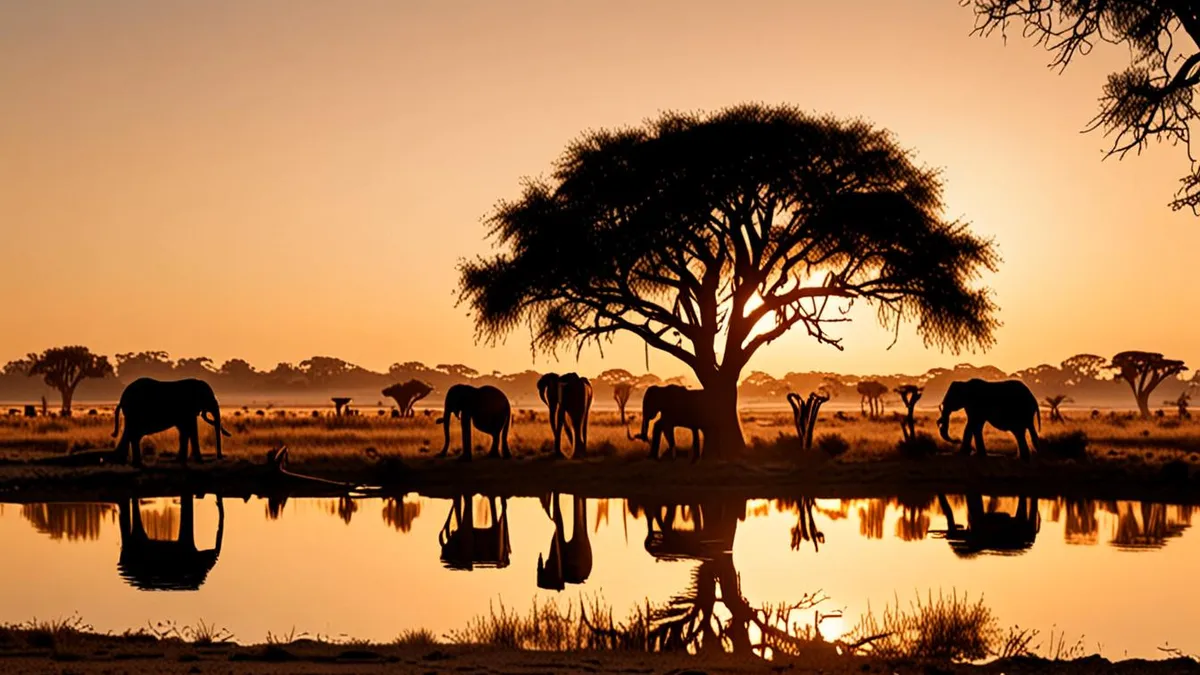
This concentration of game makes sightings far more predictable in the places travelers care about most: the Okavango Delta, Chobe and the Linyanti. Elephant herds pile into the Chobe River in impressive numbers, predators stake out waterholes waiting for thirsty prey, and a single morning drive can tick off an remarkable range of species. Guides know where the action will be, and it usually is.
The weather cooperates, too. Mornings are cool and dry, which makes early game drives genuinely pleasant rather than a test of endurance, and clear skies mean excellent light for photography. On the water, gliding through the Delta’s channels by mokoro is at its most comfortable in these crisp, rain-free conditions.
The catch is simple: everyone knows this. June to October brings the highest rates and the tightest availability of the entire year, particularly at small, high-end Delta camps that can’t simply add rooms to meet demand. If you want to travel in the peak window, plan well ahead and be prepared for premium pricing. For many travelers, though, the combination of concentrated wildlife and dependable weather justifies every dollar.
The Green Season Trade-Off: November to March
When the rains arrive, Botswana’s lodges quietly drop their prices. Rates at many camps can run 30-40% below peak-season levels, which puts genuinely luxurious properties, the ones with private plunge pools and top-tier guides, within reach of travelers who would find June-to-October pricing out of bounds. You’re getting the same beds, the same concessions and the same guiding standards for a meaningfully smaller bill.
The trade-off is rain, and January and February are the wettest months of the year. Downpours tend to come in dramatic afternoon bursts rather than all-day drizzles, but they can disrupt activities, and some seasonal camps close entirely or scale back their programs during the wettest stretch. If you’re traveling mid-rains, check whether your chosen camp operates fully year-round and which activities are running.
What you gain in exchange is a bush that’s alive in a different way. The landscape turns lush and photogenic, and the wildlife drama shifts rather than disappears. A few reasons this time of year rewards photographers and birders in particular:
- Migrant birds arrive in force. Colorful species like carmine bee-eaters and kingfishers join resident birds, making the rainy months the strongest birding window of the year.
- Predators follow the newborns. Calving season means young impala and wildebeest everywhere, and lions, leopards and wild dogs hunt actively around the herds.
- Dramatic light for photography. The mix of dark storm clouds, clear light shafts and vivid green bush produces some of the most striking safari images you’ll ever capture.
For flexible travelers, the low season delivers a version of Botswana that peak-season visitors never quite see, at a price that changes the whole budget conversation.
Shoulder Months: May and November as the Smart Middle Ground
If your dates are flexible, May and November deserve a serious look. These shoulder months sit on either side of the peak dry season, and each one brings something the other months cannot quite match. You still get genuinely good game viewing, but without the premium rates and tight availability that define the June to October window.
Why May works so well
May is arguably Botswana’s best-kept secret. The Okavango Delta floodwaters are rising, so water-based camps start offering mokoro excursions and boating activities, yet most travelers have not yet arrived in force. The bush is still thick from the rains, which can make spotting a bit more challenging than in September, but the landscapes are beautiful and the air is fresh. Because demand has not peaked, lodges typically price May below the June to October high season, and you will often find more room to negotiate on longer stays.
What November brings
November is a month of transition. The first rains usually arrive, breaking a long dry spell, and the skies turn dramatic almost overnight. Newborn antelope begin appearing, which draws predators, and the landscape shifts from dusty beige to fresh green within weeks. Rates generally sit below the peak-season level, and availability is easier to secure. Just be aware that rain can interrupt a game drive now and then, so pack a light rain jacket.
Both months suit travelers who want strong wildlife sightings, comfortable conditions and a more relaxed pace, without paying the full premium that Botswana’s most coveted weeks command.
How Far in Advance to Book a Lodge Stay in Botswana
Botswana’s high-value, low-volume tourism model means lodge inventory is genuinely limited, especially in the Okavango Delta. The best camps are small by design, often with just a handful of rooms spread across enormous private concessions, so there is no surge capacity when demand rises. Waiting too long can cost you your first choice of camp, and in some cases your first choice of month entirely. Here is how to time your booking around your travel dates.
- Book 9-12 months ahead for June to October travel. This is the peak game-viewing window, and the most sought-after Delta camps, particularly those with fewer than 12 rooms, fill up first. If you have your heart set on a specific camp, treat the booking like a flight release and reserve as soon as the lodge opens its calendar. Popular combinations of two or three camps on one itinerary are even harder to piece together late.
- Plan 3-6 months out for green-season trips. November to March travel gives you far more breathing room. Many lodges still have solid availability closer to the dates, and late availability is sometimes discounted, which can make a luxury stay surprisingly affordable. Just confirm which camps are open, as some reduce operations in the wettest weeks.
- Allow the longest lead times for group takeovers. Booking out an entire camp for a family celebration or a large group is the hardest request to fulfill, so start planning well over a year ahead if possible. For inspiration on what a full-property buyout can look like, see Africa’s private safari villas built for multi-generational travel.
Whatever your travel dates, it pays to contact lodges or a safari operator early and ask about cancellation terms before committing. Flexibility on camp choice, rather than on dates, is often what secures you a space in the busiest weeks.
Matching the Season to Your Lodge Style and Budget
There is no single best time to book a Botswana lodge, because the right answer depends on what kind of stay you are after. A water camp and a land-based lodge reward different calendars, and your budget plays a role too. Matching the season to the lodge style is the simplest way to get the experience you are paying for.
If mokoro gliding and boating through the Delta channels are the highlight you are dreaming of, time your trip around the floodwaters, which typically peak between May and August. If big game concentrations are the priority, the late dry season delivers the most predictable sightings. And if value is what you are chasing, the green season opens doors that stay closed at peak rates.
- Water-based Delta camps: Aim for the May-August flood peak, when channels are deep enough for mokoro and boating activities; outside this window, some water activities may be limited or unavailable.
- Land-based Chobe and Linyanti lodges: September and October are the standout months, as wildlife crowds the permanent water sources and game drives become remarkably productive.
- Value-focused travelers: Target November to March, when green-season pricing makes the same top-tier lodges far more accessible, with superb birding as a bonus.
It also pays to think about camp size when timing your booking. Small Delta camps with only a handful of rooms fill up fastest in the dry season, so matching your dates to your preferred lodge type matters as much as matching them to the wildlife calendar.
Whichever combination you choose, confirm the lodge’s seasonal activity schedule before booking, since not every camp operates the same program year-round. A quick email to the camp or your safari operator will clarify exactly which activities run in your chosen month.
Timing Your Botswana Lodge Trip Right
Botswana’s seasons pull lodge prices and wildlife sightings in very different directions, which is exactly what makes timing feel tricky. The good news is that the answer comes down to your priorities. June to October remains the premium window for game viewing, while travelers who don’t mind some rain can enjoy the same top-tier lodges at a fraction of the cost during the November to March green season.
If you want the best balance of cost, weather and wildlife, aim for the shoulder months of May and November. And remember the booking rhythm: top lodges often need 9-12 months of lead time for June-October travel, while green-season trips can usually be secured much closer to departure. Whenever you choose to go, Botswana’s high-value, low-volume tourism model means you’ll never be sharing the bush with crowds. Have a favorite time of year for a Delta safari, or a question about your own trip? Leave a comment or share this article.