Booking a full-board lodge stay sounds simple: pay one rate, eat three meals, enjoy the wildlife. In practice, first-timers often arrive unsure whether drinks are covered, who pays for the airport transfer, or why the balloon safari shows up as a separate line item. That confusion leads to surprise costs at checkout and expectations that don’t match the experience on the ground.
This guide breaks down exactly what a full-board rate usually includes, which extras to budget for, and how full-board compares with all-inclusive and half-board plans. You’ll also find practical advice on when to book, how to match a lodge to your travel style, and how to read a rate sheet before you pay a deposit. Check current details with your lodge or operator, since inclusions and fees vary by property and season.
What a Full-Board Lodge Stay Actually Includes
A full-board rate is built around three core promises: you sleep there, you eat there, and you get taken out into the bush on a schedule. Meals are usually breakfast, lunch and dinner, served either as set menus or family-style, often shared with other guests around one long table. Accommodation is a private room, suite or standalone chalet, cleaned daily while you’re out on activities. Drinks are a different story at many properties, so check whether your rate covers them or whether they land on your bill at checkout.
The rhythm of the day matters as much as what’s on the plate. Most lodges wake guests before sunrise, feed them quickly, and send them out with a guide before the heat sets in. Afternoon drives end after dark, often with a spotlight on the way back to catch nocturnal animals. Here’s what typically falls inside the rate:
- Breakfast, lunch and dinner daily — often a cooked breakfast before the morning drive, a lighter lunch between activities, and a three-course dinner, with dietary needs accommodated if you mention them when booking.
- Scheduled game drives twice a day — roughly 3 to 4 hours each, one at dawn and one in the late afternoon, usually in shared 4×4 vehicles with a professional guide.
- Accommodation with daily housekeeping — your room, suite or chalet is serviced each day, and many lodges turn down beds in the evening.
- Shared facilities — use of the pool, lounge, fire pit and viewing deck, where sundowners and pre-dinner gatherings usually happen.
Walking safaris, village visits and boat trips vary by property, so confirm which activities are scheduled rather than assumed. Ask the lodge directly when you book, and get the answer in writing so there are no surprises once you arrive. Some properties include several of these extras in the nightly rate, while others treat them as optional add-ons paid separately, so a quick email before you pay your deposit can save you an awkward conversation later.
What Usually Costs Extra at a Full-Board Lodge
Full-board covers the essentials, but the extras list is where budgets get tested. The most common surprise is drinks: unless the lodge explicitly says it’s all-inclusive, assume that soft drinks, wine, beer and premium spirits are billed to your room. Even bottled water in your chalet fridge can appear on the tab at some properties, so ask at check-in exactly what’s complimentary. A quick question on day one prevents an awkward conversation when you settle the bill at departure.
Getting there is another line item that catches travelers off guard. Many lodges are reachable only by light aircraft or long road transfers, and while some quote rates that include pickup, plenty bill it separately. Confirm with your operator whether transfers are part of your package before you book, not after you land. A few other costs deserve a spot in your planning:
- Transfers from airports or airstrips — when billed separately, these typically run $100 to $400 per vehicle, so sharing a vehicle with other arriving guests can cut your share significantly.
- Optional activities — hot-air balloon excursions, private guides, spa treatments and specialist photography drives are almost always priced on top of the nightly rate.
- Gratuities — most travelers budget $10 to $20 per guest per day for guides, trackers and housekeeping staff, often placed in a shared tip box or given directly at departure.
Finally, ask for the lodge’s full extras price list before you arrive. Knowing the cost of a laundry service, a sundowner or a curio shop purchase in advance makes the final bill feel predictable instead of painful. Build a small buffer into your budget for these add-ons, and you’ll leave with nothing but good memories and a clean tab.
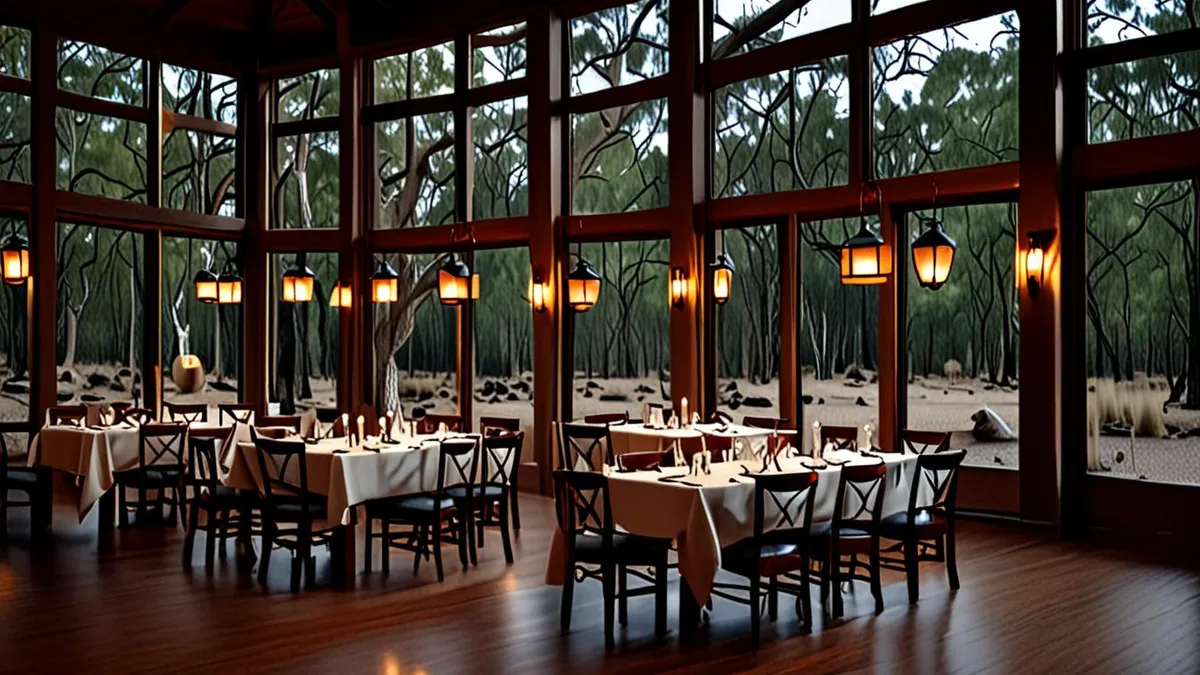
Full-Board vs All-Inclusive vs Half-Board: Choosing Your Plan
The three meal plans sound similar but cover very different ground. Full-board means meals only: breakfast, lunch and dinner, with drinks billed separately. All-inclusive adds beverages and sometimes activities, at a premium of roughly 15 to 30 percent over the full-board rate. Half-board covers breakfast and dinner only, leaving lunch to you.
So which plan fits your trip? It depends mostly on where the lodge sits.
When half-board works
If your lodge sits near a town with good cafés and restaurants, half-board can save money. You’ll eat breakfast and dinner at the property, then wander out for lunch and see a bit of local life at the same time. This setup works well in places where the town itself is part of the experience, not just a stopover point.
When full-board is the smarter choice
At remote lodges where no outside dining exists within an hour’s drive, full-board is really the only practical option — there’s nowhere else to eat lunch anyway. The same logic applies to properties deep inside private reserves, where leaving for a meal would mean cutting an activity short. If you’re considering an ultra-premium safari villa with a dedicated hospitality staff, check how the meal plan is structured, since private chefs change the equation.
Whatever plan you choose, compare what it includes against the nightly rate. A higher rate that already covers drinks and transfers can work out cheaper than a lower one that doesn’t, so run the math on your actual drinking and activity habits before deciding.
When to Book and How Far Ahead to Plan
Timing matters more at safari lodges than at most hotels, because the best rooms are few and the best weeks fill fast. For high-season dates, especially June to October in East and Southern Africa, aim to reserve 6 to 12 months ahead. Popular lodges in prime wildlife areas can be fully committed for peak weeks nearly a year out, so early planning gives you both choice and better room options.
Flexible on dates? Try the green season
Low-season green months from November to March are a different story. Many lodges have space available, and booking just 2 to 3 months out is often enough. You may also find more lenient minimum stays and a quieter, lusher landscape. The trade-off is weather, so ask the lodge what the season is like in their specific area before committing.
Minimum stays and getting it in writing
Expect minimum stays of 2 to 3 nights at most lodges, and longer requirements over peak holiday weeks such as Christmas and New Year. Build that into your itinerary from the start rather than discovering it after you have booked flights.
Finally, confirm transfer inclusions and your meal plan in writing at the time of booking. Ask specifically whether airport or airstrip pickups are part of the rate or billed separately, and whether you have booked full-board, half-board or all-inclusive. A short email exchange now prevents awkward surprises at check-in. The same principle applies anywhere; even when browsing high-end mountain lodge estates across Australia, get the inclusions spelled out before you pay a deposit.
Matching the Lodge to Your Travel Style
Not all lodges suit all travelers, and the biggest difference comes down to size. Small lodges with 6 to 12 rooms are ideal if you want intimacy and personalized service. With a handful of guests at dinner, the staff learn your name by the second night, and guides tailor drives to your interests, whether that is birds, big cats or photography.
Small and personal, or large and full-featured
Larger estates work differently. They typically offer more facilities, such as multiple pools, spas and dining venues, plus a wider variety of activities. The trade-off is less one-on-one attention; you will share guides and dining rooms with more people, and the experience can feel closer to a resort than a private home in the bush.
Setting shapes your daily rhythm
Location matters just as much as size. A riverfront lodge puts water-dependent wildlife on your doorstep and encourages slow mornings on the viewing deck. Mountain settings bring cooler air, hiking and dramatic scenery, while private-reserve locations often allow off-road driving and night drives that public parks do not. Think about what your ideal day looks like before choosing.
Two questions to ask any lodge before booking: what is the guest-to-guide ratio, and are activities shared or private? A low ratio and private drives cost more but transform the experience, especially for serious photographers or families with young children. Match those answers to your travel style and budget, and the right choice usually becomes obvious.
How to Read a Lodge Rate Sheet Before You Pay
Lodge rate sheets can be dense, and the difference between a fair price and an inflated one often hides in the fine print. Rates at full-board lodges typically run from about $400 to $1,500+ per person per night depending on region and season, so a stay of several nights represents a serious investment. Before you pay any deposit, work through a few simple checks so you know exactly what your money buys and what will appear on your final bill.
- Check the rate wording. Look for the phrase “per person per night, full-board.” This tells you the rate covers three meals but says nothing about drinks. Verify separately whether beverages are listed as included, because this single line item can shift your budget significantly over a multi-night stay. Ask specifically about soft drinks, house wine and premium spirits, since lodges draw the all-inclusive line in different places.
- Ask for a sample daily itinerary. A good lodge will happily send one. It shows you which activities fall inside the rate, such as the standard twice-daily game drives of roughly 3 to 4 hours each at dawn and late afternoon, and which are add-ons like private guides or special excursions. If the itinerary is vague, push for specifics before booking.
- Request the full extras price list. Ask for current prices on airport and airstrip transfers, laundry, spa treatments and premium drinks. Transfers alone are often billed separately per vehicle, and these charges add up quickly for families. You do not need exact figures to plan, but knowing the categories that carry charges helps you budget honestly.
- Confirm cancellation terms and the payment schedule. Find out how much is due as a deposit, when the balance is due, and what happens if you cancel or move dates. Remote lodges often have stricter policies than city hotels, and many enforce minimum stays of 2 to 3 nights, so read these terms before, not after, you commit.
Ten minutes of questions before you pay saves you from bill shock and disappointment later. Reputable lodges answer these requests quickly and clearly, and a slow or evasive response is itself useful information about how the stay may go. If a reservation team hesitates to put inclusions in writing, treat that as a signal to compare another property before committing your deposit.
Your First Full-Board Lodge Stay, Simplified
A full-board lodge rate covers more than most first-timers expect: three meals a day, your room or chalet with daily housekeeping, and usually twice-daily game drives of roughly 3 to 4 hours each at dawn and late afternoon. Knowing that upfront takes the guesswork out of comparing rates and sets fair expectations before you arrive.
The costs that catch people off guard are the extras, so plan for them separately: drinks, airport or airstrip transfers, spa treatments and gratuities. Book 6 to 12 months ahead for high-season dates, and ask the lodge to confirm in writing exactly what your rate includes, from transfers to laundry. Do that, and your first full-board stay should feel like a well-earned treat rather than a stream of surprise charges. If this guide helped you plan your trip, leave a comment or share it with a fellow traveler.