Glamping cost is one of the most confusing numbers in travel planning. A safari tent that books for $180 a night in May can climb past $300 in July, then drop again once the leaves fall. Add the range of stay types, from basic canvas tents to heated glass domes, and it becomes genuinely hard to know whether a nightly rate is fair before you hit the booking button.
This guide breaks down what you should expect to pay across every price level and every season. We start with a clear framework of budget, mid-range and luxury rates, then walk through spring, summer, fall and winter pricing one by one. You will also find practical ways to cut your glamping cost without giving up comfort, plus a short bottom-line summary that pulls the numbers together. By the end, you should be able to look at any listing and judge whether the price matches the tent, the season and what is actually included.
What Glamping Costs at Each Price Level
Glamping rates span an enormous range, and the fastest way to judge any listing is to place it in one of three tiers. The spread exists because operators charge for very different things: a basic tent site sells you a bed in nature, while a luxury dome sells you a full hospitality experience. Knowing the tiers helps you spot overpriced listings and underpriced bargains in seconds.
At the bottom of the range, budget canvas tents and basic cabins typically run $75-$150 per night. These stays often share bathroom and shower facilities with other guests, and you may need to bring your own bedding or cooking gear. Mid-range properties, usually safari tents, yurts and bell tents, cost $150-$300 per night and generally include a private bathroom, a proper queen or king bed and a small kitchen or kitchenette. At the top end, luxury domes, treehouses and lodge suites range from $300 to $600+ per night, and many bundle in extras that would cost extra at a hotel.
So what does the premium actually buy? Here is what tends to appear as you move up the tiers:
- En-suite bathrooms with hot running water, often including a rainfall shower or a soaking tub instead of a shared washhouse a short walk away
- King beds with quality linens, layered bedding and, in colder months, wood stoves or underfloor heating that keep the tent comfortable all night
- Private decks and outdoor features such as hot tubs, fire pits, hammocks and furnished lounging space with a view of the surrounding landscape
- Catering and curated activities, from chef-cooked breakfasts and welcome hampers to guided hikes, kayak rentals or stargazing setups arranged by the operator
None of these extras are essential, but together they explain why two tents in the same region can differ by $300 a night. Decide which items on this list matter to you before comparing rates.
Spring Glamping Costs (April-May)
Spring is when glamping prices start to wake up from their winter lows, but they have not yet reached the summer surge. Shoulder-season rates usually sit 20-30% below summer peaks, which puts mid-range stays around $120-$250 per night for the same tents that command far more in July. If you have a flexible calendar, this is the window where your money goes furthest.
The value is not just financial. April and May bring mild daytime temperatures, longer evenings and landscapes at their most photogenic, with wildflowers, fresh green foliage and fewer crowds on nearby trails. In temperate regions, this combination of good weather and soft pricing makes spring the best value window of the year for a tent, yurt or dome stay.
Watch out for mud season
There is one honest caveat. In mountain and forest regions, spring is also mud season, when snowmelt and rain showers can turn paths, parking areas and tent platforms into a slog. Some remote sites reduce access or limit certain facilities until the ground dries out.
Before booking, pack waterproof footwear and a rain layer, and confirm site access directly with the operator, especially if the property sits down a dirt road. Ask whether all facilities are open and whether the tent platform is raised and drained. A little preparation turns a soggy surprise into a minor detail, and the savings still land firmly in your favor.
Summer Glamping Costs (June-August)
Summer is when glamping operators make their year, and their pricing reflects it. Peak season rates climb 30-50% above shoulder season, and even budget canvas tents and entry-level cabins fill up fast in popular regions. The same tent that felt like a fair deal in May can jump noticeably once school lets out, so expect to pay a real premium for July and August dates.
The demand is understandable. Warm nights, long daylight hours and reliable weather make June through August the easiest time to sleep under canvas, especially for first-timers traveling with kids. But that reliability is exactly what you pay for, so it pays to be deliberate about how and when you book.
Midweek beats weekends every time
Weekend nights can cost 20-30% more than midweek nights at the very same site, with identical tents and identical views. A Sunday-through-Thursday stay stretches your budget considerably, and midweek also brings quieter grounds, easier access to shared facilities and more attentive hosts. If you can work remotely for a few days or shift your travel days, this is the single easiest saving of the summer.
Book early or risk missing out
For popular regions, reserve 3-6 months ahead to get your pick of tents and dates. Last-minute summer availability is scarce, and it is rarely discounted, because operators know demand will absorb their empty tents. If you find a well-reviewed site with summer openings a few weeks out, treat it as luck rather than a bargain and check what changed before you commit.
Fall Glamping Costs (September-October)
Once the school holidays end in late August, glamping rates ease back down from their summer peaks. The drop can be dramatic: the same safari tent that commanded top dollar in July often reopens in September at a noticeably lower rate, especially on weekdays, when prices can sit well below weekend rates.
There is one big exception. In regions famous for fall foliage — think New England-style landscapes with maples and oaks — demand spikes hard in October. Foliage-season weekends in these areas can match or even exceed summer pricing, so if a leaf-peeping trip is on your list, book early and consider staying Sunday through Wednesday to soften the bill.
Why early fall is the value sweet spot
September is arguably the strongest price-to-weather month of the glamping year, and it sits right inside the shoulder seasons that offer the best price-to-weather balance. Days are often warm enough for swimming and hiking, evenings are cool enough to sleep comfortably, and campgrounds are quieter once families are back in school. You get much of the summer experience at a shoulder-season price.
One thing to budget for: cooler nights. Sites with wood stoves, heated tents or insulated structures command a small premium over unheated canvas, and in late September and October it is usually worth paying. Waking up to frost on the inside of your tent is not the memory you want. If your dates are flexible, compare a midweek stay against a weekend one before booking — the same tent can carry a meaningfully different rate depending on the night.
Winter Glamping Costs (November-March)
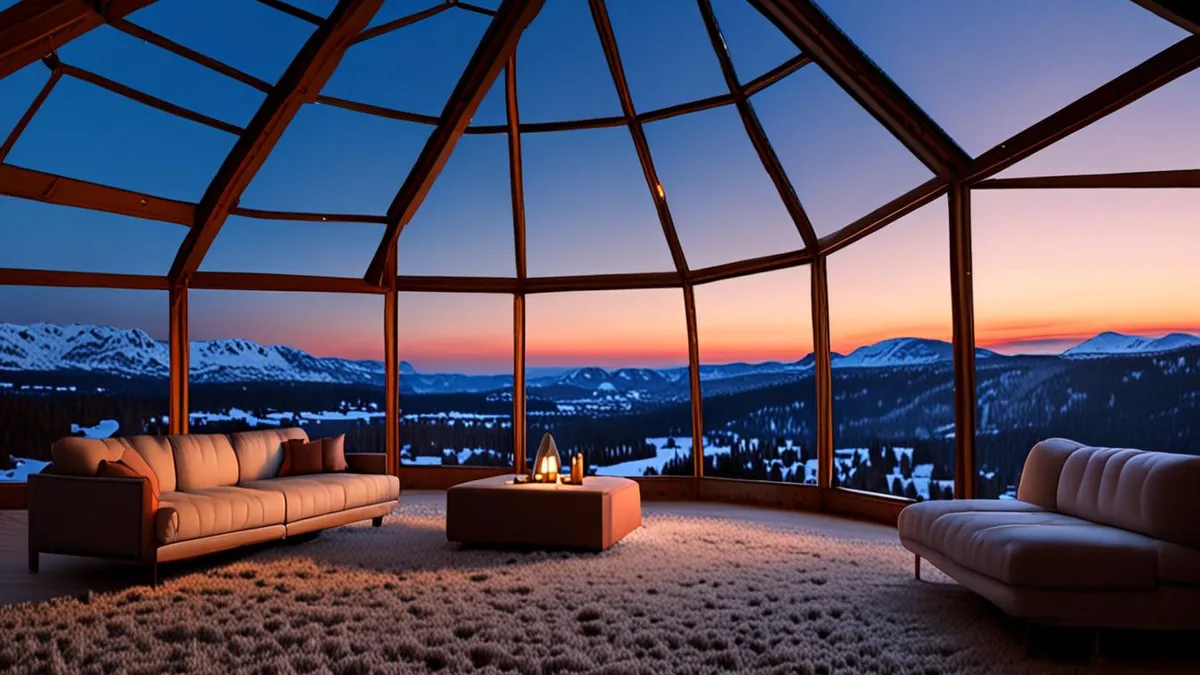
Winter splits the glamping world in two. In cold climates, operators discount heavily to fill tents and domes, with rates typically dropping 20-40% below summer prices. Heated domes and cozy cabins often start around $100 per night and climb from there depending on size and amenities, which puts even some luxury-style stays within reach of a mid-range budget.
In warm-weather destinations the math flips. Deserts and tropical regions hit their high season in winter, when escaping snow is exactly what travelers want. Expect peak pricing, minimum-stay requirements and limited availability at popular desert and beachside glamping sites from December through February. If your heart is set on a warm destination, book as far ahead as you would for a summer trip elsewhere.
What to check before booking a winter site
Cold-weather glamping is wonderful when it is done properly and miserable when it is not. Before you hand over any money, confirm three things with the operator:
- Heating: is there a wood stove, electric heater or propane system, and is it included in the rate or charged as an extra?
- Insulation: canvas alone will not hold heat, so look for insulated domes, log cabins or sites that specifically advertise cold-weather upgrades.
- Water access: in a hard freeze, some sites shut off outdoor taps and showers entirely, so ask how water and plumbing are handled in the coldest months.
The cheapest winter listings are often the ones that skip these basics. A tent with no heat may look like a bargain at a fraction of the summer rate, but a single freezing night is usually enough to end the trip early. A short phone call or email before booking saves you from discovering those gaps on arrival, and it also gives you a sense of how responsive the operator is if something goes wrong mid-stay.
How to Cut Your Glamping Cost Without Sacrificing Comfort
Glamping prices are not fixed, and the spread between the most expensive and cheapest way to book the same site can easily cover a second night. The levers below are the ones that actually move the total, in rough order of impact.
The single biggest saving comes from shifting your dates. Shoulder seasons — April-May and September-October — offer the best price-to-weather balance in most temperate regions, often at rates well below summer peaks for the exact same tent, view and facilities.
The second lever is the day of the week. Demand concentrates heavily on Friday and Saturday nights, so operators price those dates at a premium. A Sunday-to-Thursday stay at the same site can shave a meaningful amount off a four-night trip without changing anything else about it — same tent, same view, lower total.
Four ways to pay less for the same trip
- Set price alerts or subscribe to operator newsletters: many glamping sites announce off-season promotions and last-minute openings to their email lists first.
- Travel as a pair or small group: some larger tents and cabins price per unit rather than per person, so splitting a four-sleeper dome can drop the per-person cost dramatically.
- Ask about longer-stay pricing: operators sometimes discount a fifth or seventh night even when they do not advertise it, especially outside peak season.
- Check cancellation terms before booking a nonrefundable rate: the cheapest rates often come with strict terms, and one schedule change can wipe out the saving.
Finally, compare what is actually included rather than just the nightly rate. A $250 rate with breakfast, kayaks or guided activities included can beat a $180 bare-bones rate once you add up what you would otherwise pay for on your own.
The Bottom Line on Seasonal Glamping Prices
So what does a fair glamping rate look like? The honest answer is a wide one: glamping cost spans roughly $75-$600+ per night depending on the stay type and the season you pick. A canvas tent in May and a heated dome in July can be worlds apart in price, so comparing listings without factoring in the season will only confuse you.
The pattern is consistent. Summer rates peak 30-50% higher than the rest of the year, while the shoulder seasons and winter in cold climates offer the best value for what you get. If you want to lower the bill, two levers matter most: book midweek instead of weekends, and reserve early for peak-season trips. Done together, they can shave a serious chunk off the same tent you would have paid full price for. If this breakdown helped you plan your trip, leave a comment or share the article with a fellow traveler.