Choosing between the Maldives’ pricey dry season and its cheaper wet months trips up even seasoned travelers. You know the photos of glassy turquoise lagoons, but you also know that booking the wrong week can mean paying double for rain or saving money on a trip that feels gray and choppy. The truth is that both options can work brilliantly, as long as you know what each season actually delivers.
This guide breaks down the best time to visit maldives resorts by season, price and weather. We compare the two monsoons, weigh the dry-season premium against wet-season savings, match dates to diving, surfing and manta sightings, and cover how far ahead to book and which atoll suits your travel window. By the end, you’ll be able to pick the month that fits your budget and the kind of Maldives days you want.
Maldives Seasons at a Glance: Two Monsoons, One Forecast
The Maldives doesn’t have four seasons. It has two monsoons, and almost everything about planning a trip here comes down to understanding how they work. The dry northeast monsoon runs roughly December to April, bringing little rain and calm seas. The wet southwest monsoon runs roughly May to November, when short tropical showers pass through more frequently and winds pick up.
Here’s the part that surprises most first-time visitors: wet-season rain usually arrives in short bursts rather than all-day downpours. A typical wet-season day might start bright, cloud over for an hour of rain in the afternoon, then clear again for sunset. You plan around showers, not around them.
Warm all year, whatever the calendar says
One thing that never changes is the temperature. Water temperature stays around 28-30°C year-round, and air temperatures sit in a similarly narrow band. You will never need a wetsuit for warmth, and you will never pack a coat.
That’s why choosing your travel dates here isn’t really about warmth, the way it might be in the Mediterranean or the Caribbean. It’s about rain, wind and price. The dry monsoon gives you calmer lagoons and more reliable sunshine; the wet monsoon gives you lower rates and livelier seas. Once you accept that every month is swimmable, the decision becomes much simpler.
Why December to April Is the Best Time to Visit Maldives Resorts
December to April is when the Maldives looks exactly like the brochure. The dry northeast monsoon brings little rain and calm seas, humidity drops, and you get the year’s maximum sunshine hours. Lagoons turn glassy, boat transfers run smoothly, and snorkeling from your villa deck feels effortless. If your trip is a once-in-a-lifetime honeymoon or you simply want the safest weather bet, this is the window that delivers.
Watch the peak pricing trap
The catch is the calendar’s most expensive fortnight. Peak prices fall between mid-December and early January, when holiday travelers from Europe and Asia fill the resorts. Rates in this stretch often run 50-100% above shoulder months, sometimes for the same villa you could book in February for half the cost. If your dates are flexible by even a couple of weeks, moving your trip can save you thousands.
The sweet spot: January to March
For most travelers, January to March is the sweet spot. You still get the dry monsoon’s calm seas, low humidity and long sunny days, but the holiday surge has passed and rates soften noticeably. You keep nearly all of the weather benefits of the peak season while paying meaningfully less. Book early regardless, because the best-value villas in these months go first.
The Wet Season Trade-Off: May to November Value and Weather
If your budget has more pull than the weather forecast, the wet season deserves a serious look. The cheapest rates typically appear in May, June and October, often well below dry-season peaks. Travelers who visit in these months frequently stay in villas or resorts that would be out of reach from December to April, or simply stretch the same budget into a longer trip. For families and long-stay travelers, the savings can be substantial.
What wet-season weather actually feels like
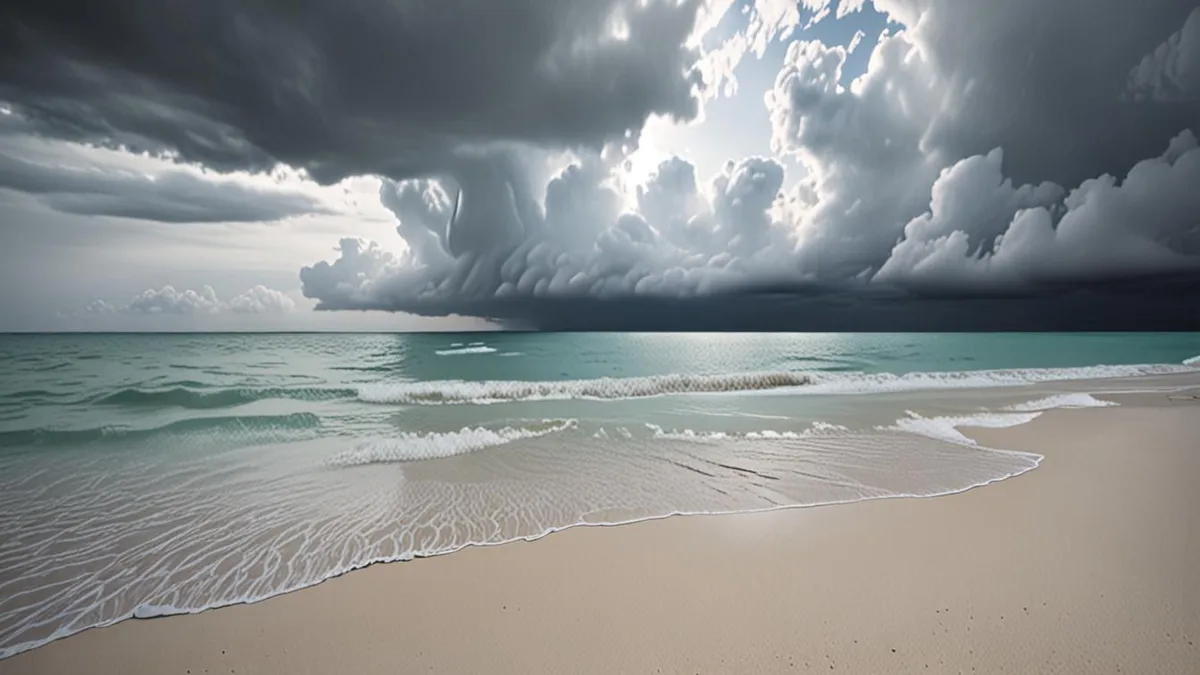
Conditions from May to November are different, but rarely ruined. Expect humid air, passing showers that roll through and move on, and choppier lagoons on windier days. Water activities like kayaking or glass-bottom boat rides may be affected on rougher afternoons, and some excursions can be rescheduled around the weather. The key word is passing: the wet southwest monsoon brings short tropical showers, not weeks of gray skies.
More sunshine than you’d expect
Here’s the number that changes most travelers’ minds: many resorts still log 6-8 hours of daily sunshine even in wetter months. Mornings are often the driest stretch, so plan beach time and snorkeling early and treat the afternoon shower as a cue for a spa treatment or a long lunch. If you can accept that some days will include rain, the wet season trades a little weather certainty for a lot of value.
Matching Your Dates to Diving, Surfing and Marine Life
The Maldives rewards travelers who plan their trip around the ocean, not just the weather. The same country offers world-class surf breaks, manta cleaning stations and glassy dive sites, but each peaks at a different point in the year. Getting the timing right can turn a good trip into an unforgettable one, and it often matters more than which resort you pick. Match your dates to your favorite activity and everything else falls into place.
Surfers should aim for the wet season. The swell that makes lagoons choppy from May to November is exactly what the east-facing atolls want, and their surf season runs roughly March to October, building to its strongest sets in the middle of the year. Divers have the opposite priority: the dry northeast monsoon from December to April brings the year’s best underwater visibility, ideal if you care more about crystal-clear water and long-range sightlines than big pelagic action. Water temperature stays around 28-30°C year-round, so you can leave the thick wetsuit at home in either season.
Marine life follows its own calendar. Here’s a quick guide to what happens when:
- Manta rays in the south: sightings peak around August to November, when plankton-rich currents draw mantas to cleaning stations near the southern atolls, so divers based there should target these months.
- Whale sharks on the western side: encounters peak roughly June to October along the west-facing atolls, where the animals feed in the plankton blooms stirred up by the southwest monsoon.
- Dry-season diving: from December to April, calmer seas and clearer water make this the window for photographers and reef divers who want maximum visibility, even if large pelagics are less likely.
- Snorkelers: calm dry-season lagoons are friendlier for beginners, while confident snorkelers can join manta and whale shark excursions in the wet months when sightings are best.
How Far Ahead to Book for Each Season
Maldives resorts are small, often with only a few dozen villas on their own private island, so the best room categories sell out long before the dates arrive. Unlike large hotel destinations where you can usually find a comparable room down the street, there is no alternative once your chosen resort is full. How early you should book depends almost entirely on which season you’re targeting, and getting the timing right can make a real difference to both your villa and your budget.
- December and January stays: reserve 6-12 months ahead. This is peak season, when villa choice is thinnest and the most desirable overwater and beach villas are claimed first by repeat guests and early bookers. Prices also climb steeply between mid-December and early January, so locking in early gives you the pick of categories before rates rise.
- Shoulder months like February-March and November: book 3-6 months out. Availability is healthier and rates are softer, but the well-priced entry-level villas still go early, especially around school holidays.
- Wet-season trips from May to November: 1-3 months ahead is often enough, and travelers flexible on dates can pick up last-minute offers, since resorts discount to fill rooms in the quieter months. If you’re chasing surf or manta sightings rather than a specific villa, this flexibility works in your favor.
Booking early doesn’t just protect your villa choice; it can also unlock better long-stay value, as many resorts reward longer bookings with reduced nightly rates or added perks. If you’re planning an extended trip, it’s worth browsing high-value long-stay luxury resorts in Asia to see how the Maldives compares with other regional options. And whatever season you choose, check cancellation terms before paying, since plans and flight schedules can shift.
Choosing the Right Atoll and Stay Type for Your Season
Once you’ve picked your dates, the next decision is where to stay and in what kind of villa. Season and location work together in the Maldives: the same atoll can feel like a mill pond in April and a wind-swept stretch of water in July. Matching your atoll to your travel window makes a real difference to how much time you spend in the water.
East-facing atolls catch dry-season swells differently than sheltered western lagoons, which affects how comfortable swimming and snorkelling feel straight from your beach. If calm, easy-entry lagoons are your priority in the dry months, a resort on a sheltered western shore is usually the safer bet. In the wet season, the equation flips as winds shift.
Villa type matters too. Overwater villas are glorious in the calm dry months, when you can step off your deck into still water. When lagoons turn choppier, a beach villa with a private pool gives you the water experience without depending on sea conditions.
- House reef access: some islands have a snorkelable house reef right off the beach, which keeps swimming good even on windy days when boat trips are limited.
- Transfer type: resorts reached by seaplane often only fly in daylight, so a late international arrival can mean an overnight near the airport before transferring.
- Remote atolls and buffers: far-flung resorts require extra domestic flights or boat legs, so build weather-related delays into wet-season itineraries rather than booking a tight same-day connection.
- Orientation for sunsets: west-facing islands deliver sunset views over the water, a small detail that matters more on long, calm evenings in the dry season.
Picking Your Maldives Window
Choosing between the Maldives’ two seasons comes down to what you value most. December to April brings guaranteed sunshine and calm seas, with January to March offering the best value inside that dry window. May to November trades passing showers for noticeably lower prices, plus surf and manta season.
Timing matters as much as the season itself. Book 6-12 months out for peak December and January dates, or 1-3 months out to catch wet-season deals. Whichever window you pick, the water stays around 28-30°C all year, so there is no bad month for a first look at that lagoon. If this guide helped you plan your trip, leave a comment or share it with a fellow traveler.