Wellness resort websites love big promises: transformation, renewal, a whole new you. What they rarely show you is the actual shape of a stay — what happens at 7 am, how many treatments you’ll sit through each day, or whether that quoted price covers meals or just the room. The gap between the brochure and the reality leaves many travelers unsure what they’re signing up for, or how much to budget once extras start appearing on the bill.
This guide walks through the whole picture. We’ll break down what a wellness resort stay actually includes, compare the main program types and who they suit, and map out a typical daily schedule of treatments and classes. Then we’ll get practical: real cost ranges, when to book for the best availability, how to prepare before you arrive, and how to choose a property that matches your specific goals. By the end, you’ll know exactly what to expect — and what to ask before you pay a deposit.
What a Wellness Resort Stay Actually Includes
Most wellness resorts sell packages rather than rooms. Your program price typically bundles together accommodation, all meals, an initial health assessment on day one, and two to four treatments or classes per day. That structure is the biggest difference between a wellness resort and a regular hotel with a spa: you’re not booking à la carte massages, you’re signing up for a complete, scheduled program.
The meals part matters more than you might think. Almost every resort includes full board as standard, and the food is usually designed around your program theme — lighter portions and juices during a detox, higher protein for fitness-focused stays. Expect the first day to include an intake consultation, a body composition scan or a basic health assessment, so practitioners can adjust your schedule and meals to your needs.
How programs are structured
Every program is built around a theme. The most common are detox, weight management, stress recovery, sleep and fitness. The theme determines your daily schedule, your menu and which specialists you’ll see, so it’s worth choosing it before you choose the destination.
How long to stay
Stays of 3-7 nights suit most lifestyle resets — a stress recovery week, a sleep improvement program or a fitness kickstart. Medical programs and detoxes are a different story: they typically run 7-14 nights, because restricted diets and clinical protocols need time to work safely. If a resort recommends a longer stay for the program you want, that’s usually a good sign rather than an upsell.
Common Wellness Programs and Who They Suit
Wellness resorts usually organize their offerings into named programs, each with a distinct focus, daily rhythm and minimum stay. Understanding the differences before you book saves you from arriving at a strict detox retreat when what you really needed was a quiet week of sleep. Most properties publish sample schedules online, so read them closely and picture yourself living that actual day, from wake-up time to lights out.
The four most common program types break down like this:
- Detox and weight-loss programs: these usually demand 7+ nights, and the daily routine often includes restricted diets or liquid fasts, colonic treatments and supervised movement sessions. Expect your meals to be planned for you down to the portion size.
- Stress and burnout recovery: built around sleep therapy, mindfulness, breathwork and massage, typically over 3-5 nights. These programs tend to have the gentlest schedules, with generous free time built in.
- Fitness and longevity programs: personal training sessions paired with body composition tracking and nutrition coaching, so you leave with measurable data and a plan to keep progressing at home.
- Medical wellness programs: the most clinical option, adding bloodwork, doctor consultations and personalized supplement plans to the standard schedule of treatments and classes.
Your goal should drive the choice. If you’re exhausted and sleeping badly, a burnout recovery program will serve you far better than a calorie-restricted detox. If you want hard numbers on your health, the medical and fitness options make more sense, since they give you baseline readings to compare against later.
For a sense of how far the luxury end of this market goes, it’s worth reading about Asia’s invitation-only wellness resort compounds, where programs are tailored to a small number of guests at a time and staff can adjust every element of your stay in real time.
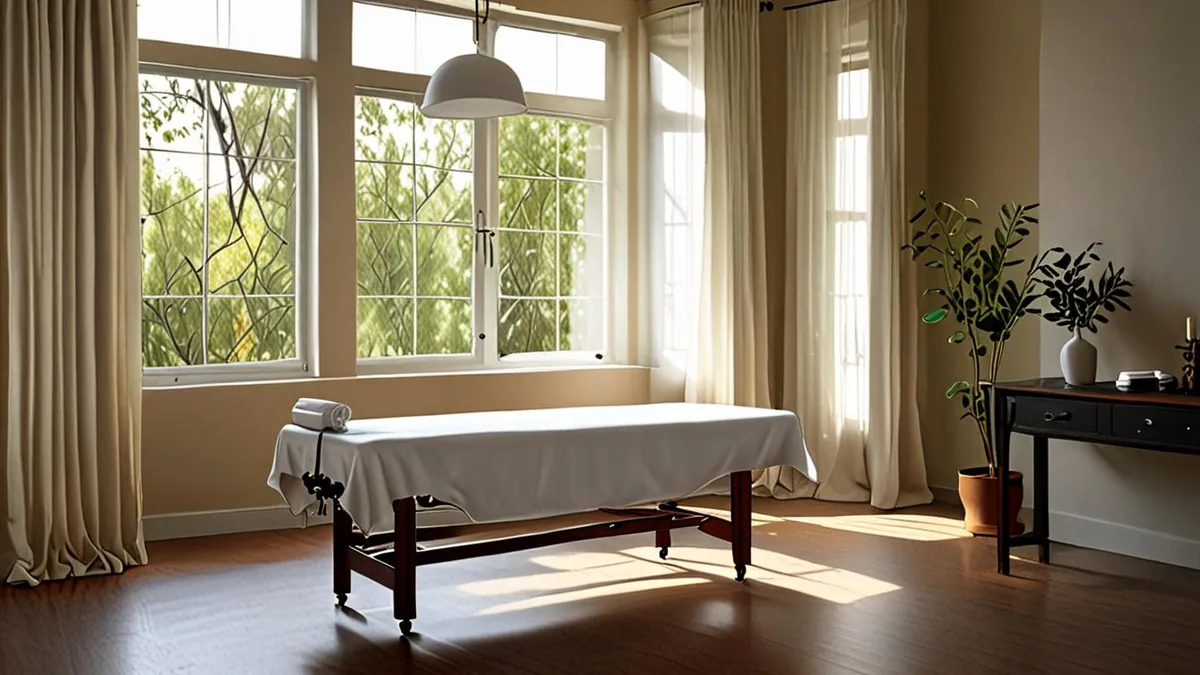
Treatments You Can Expect on a Daily Schedule
Wellness resort days are structured, and the rhythm is surprisingly consistent from one property to another. Knowing the pattern in advance helps you decide whether the pace suits you — and how much free time you’ll actually get.
Mornings: movement and core treatments
A typical day opens at 7-8 am with yoga, meditation or a guided hike before breakfast. These early sessions are usually group activities and set the tone for the day. After breakfast, the mornings hold your core treatments: massage, hydrotherapy, cryotherapy or physiotherapy sessions. Practitioners generally schedule the more demanding clinical work early, when your body is rested and your stomach is empty — relevant if your program includes treatments done before eating.
Afternoons: classes, consultations and downtime
Afternoons mix things up. You might have a group class, a cooking demonstration, a one-to-one consultation with a nutritionist or doctor, or simply free time by the pool. Most resorts deliberately keep afternoons lighter than mornings, and this is where you’ll feel the difference between an intensive program and a restorative one. Evenings are usually quiet, with early dinners and early bedtimes encouraged.
One thing to check before booking: how many treatments your package actually includes. Most programs cover two to four sessions per day, but resorts also offer an à la carte menu of premium treatments outside the package — advanced facials, private yoga, specialized bodywork. These typically cost $100-350 each, and it’s easy to add several over a week if you’re not paying attention. Ask for the à la carte price list before you arrive so there are no surprises on your final bill.
How Much a Wellness Resort Costs
Wellness resorts price their stays differently from regular hotels, so it helps to understand the model before you compare quotes. Most all-inclusive programs commonly run from about $500 to $2,000+ per person per night. That figure typically covers your room, all meals, and the two to four daily treatments or classes built into your program.
Where a property sits in that range depends heavily on its location and medical focus. Destination spas in Asia often sit at the lower end of that range, and some of the best value in the category comes from long-stay retreats there — see high-value long-stay luxury resorts in Asia for examples. European medical spas, with their on-site doctors and clinical diagnostics, sit at the top.
Don’t forget the extras
The quoted program rate rarely tells the whole story. Private sessions, premium treatments, airport transfers and gratuities can add 10-25% to the bill. If you plan to book à la carte massages or specialist consultations beyond your package, ask for a treatment menu with current prices before you arrive, and set aside a realistic buffer so the final invoice holds no surprises.
When to Book and How to Prepare
Timing matters more at a wellness resort than at a regular hotel, because programs run on fixed schedules with limited one-to-one slots. Many properties cap guest numbers so practitioners can give each person proper attention, which means rooms and program places can sell out well before a standard hotel would fill up. Book too late and you may get a room but miss the program dates or the practitioners you want. A little forward planning also gives you time to prepare properly: you can gather medical records, complete paperwork without rushing and arrange time off work around your program rather than squeezing it in.
- Reserve 2-6 months ahead for peak season. This lead time gives you the widest choice of room categories and program start dates, which matters when retreats cap guest numbers. Booking early also leaves room to ask questions about the program before you commit.
- Allow 3-6 months for medical spas. Leading medical spas often need this much notice for tailored programs, since they review your health records and design a plan before you arrive. If you need recent bloodwork or test results, this window gives you time to arrange them.
- Aim your dates at the peak windows deliberately. December-February suits tropical Asian retreats, while June-September works best for European alpine properties — though traveling just outside these windows can mean lower rates and quieter facilities.
- Fill in your pre-arrival health questionnaire honestly. Practitioners use it to tailor your program, so disclose medications, injuries, sleep issues and dietary restrictions fully rather than downplaying anything. Understating a condition can lead to treatments or classes that are not right for you.
- Plan your arrival day carefully. Avoid booking demanding programs immediately after long-haul flights; arrive a day early if possible so you start your assessment rested rather than jet-lagged. Most resorts schedule the initial health assessment on day one, so showing up exhausted can skew the results.
A little preparation goes a long way toward a smoother stay. Once your booking is confirmed, keep copies of your questionnaire and any medical documents handy, and confirm transfer arrangements and program start times with the resort a week or so before departure. It is also sensible to check what you should pack, as some retreats provide workout gear and spa robes while others expect you to bring your own for hikes and fitness sessions.
Choosing the Right Wellness Resort for Your Goals
Wellness resorts vary enormously in what they actually deliver, and two properties with similar prices can offer completely different experiences. The most important decision is matching the program theme to your goal: a recovery-focused retreat built around sleep and stress relief differs sharply from a clinical program with bloodwork or a fitness-driven one with daily training. Choosing a detox program when you need burnout recovery — or the reverse — is the most common and costly mismatch.
Beyond the theme, dig into the practical details that separate excellent retreats from average ones. A property’s website will tell you what it wants you to know; a direct conversation with the reservations team will tell you what you actually need.
- Practitioner credentials. Ask whether doctors, nutritionists or physiotherapists are on staff full time, and what qualifications they hold — especially if the program involves medical testing or supplements.
- Guest-to-staff ratios. Smaller cohorts usually mean more personalized attention, so ask how many guests a typical program takes and how many practitioners support it.
- Exact inclusions. Confirm what the quoted price covers before committing, as inclusions vary widely between properties — some bundle every treatment and transfer, while others charge separately for consultations, supplements or even certain meals.
- Program structure. Request a sample daily schedule so you can see whether the balance of treatments, classes and free time matches your energy levels and expectations.
Taking an hour to verify these details before you pay a deposit is the single best investment you can make in the stay itself. The right match turns a pleasant vacation into a genuine reset.
Wrapping Up Your Wellness Resort Plans
So what does a wellness resort stay actually look like? In practice, it combines a structured program, 2-4 daily treatments or sessions, and all-inclusive pricing that covers your room, meals and initial health assessment. Expect a daily rhythm of morning movement, core treatments, group classes and one-to-one consultations, with everything bundled into a single program rate rather than charged separately.
The details that matter most are program length, booking lead time and peak season, since these shape both availability and cost. The real key to a worthwhile stay, though, is matching the program theme and practitioner quality to your personal goals. A stress recovery retreat and a clinical detox program are very different experiences, and the right fit makes all the difference. If this helped you plan your own trip, leave a comment or share the article with a fellow traveler.