Most long-stay travelers book a hotel out of habit, then wonder why the bill ballooned and the room still feels cramped after week two. That’s the trap at the heart of the hotel vs serviced apartment question: each option wins in different situations, and guessing wrong gets expensive fast.
This guide breaks down the core differences between the two, compares costs for stays of 7 nights or more, and shows where apartments pull ahead with space, kitchens and laundry. It also covers where hotels genuinely win on service and convenience, how to book long-stay rates properly, and which option fits your trip type. By the end, you’ll know exactly which one suits your next extended stay.
Hotel vs Serviced Apartment: The Core Differences
The difference comes down to what’s bundled into the rate. A hotel packages daily housekeeping, a staffed front desk, on-site dining and concierge help into one price. You’re paying for service layers that make sense when you’re in town for a few nights and want everything handled for you.
A serviced apartment swaps some of that service for living space. You typically get a full kitchen, laundry facilities and a separate living area, but housekeeping drops to a reduced frequency and there’s usually no restaurant downstairs. The property is designed around the idea that you’ll cook, wash and live there, not just sleep there.
Built for different trip lengths
Hotels suit short transitions: a layover, a two-night business meeting, a weekend before moving on. Their pricing and services are calibrated for that rhythm. Apartments are built around stays of a week or longer, where cooking your own meals and having room to spread out starts to matter more than a turndown service.
Neither is better in the abstract. One is a full-service pit stop, the other is a temporary home. Knowing which you need is the first step to booking well.
Cost Breakdown for Stays of 7 Nights or More
Rates change once your stay crosses the one-week mark. Extended-stay hotel rates typically drop 10-25% after 7 consecutive nights, because hotels would rather lock in a guaranteed guest than chase new bookings every few days. This discount is rarely advertised on booking sites, so you have to ask for it. Call the hotel directly or email their reservations team and ask specifically for the extended-stay rate rather than accepting the standard nightly price. Some properties will also throw in extras like waived parking or free breakfast to secure the booking.
Serviced apartments pull further ahead the longer you stay. For stays over 28 nights, they usually cost 20-40% less per night than comparable hotel rooms. That gap comes from lower service costs, and it compounds every night you’re there. If your dates are flexible, check both a 21-night and a 28-night stay, since crossing that four-week threshold can noticeably change the per-night price.
The hotel’s headline rate also hides extras that add up over a week or more. Minibar snacks, laundry service and restaurant meals can add 15-30% to the bill. Watch for these common add-ons:
- Laundry service: hotels charge per item or per load, and a multi-week wardrobe adds up quickly compared to doing it yourself.
- Every meal out: without a kitchen, breakfast, lunch and dinner all go on the hotel restaurant tab or nearby cafes at tourist prices.
- Minibar and incidentals: small nightly charges that are easy to ignore until the final bill arrives.
When comparing options, always price the full stay, not the nightly rate, and include what you’d realistically spend on food and laundry in each setup. A simple spreadsheet with the nightly rate, estimated meals, laundry and any cleaning fees will show the true winner for your trip length in a matter of minutes.
Space, Kitchen and Laundry: Where Serviced Apartments Win
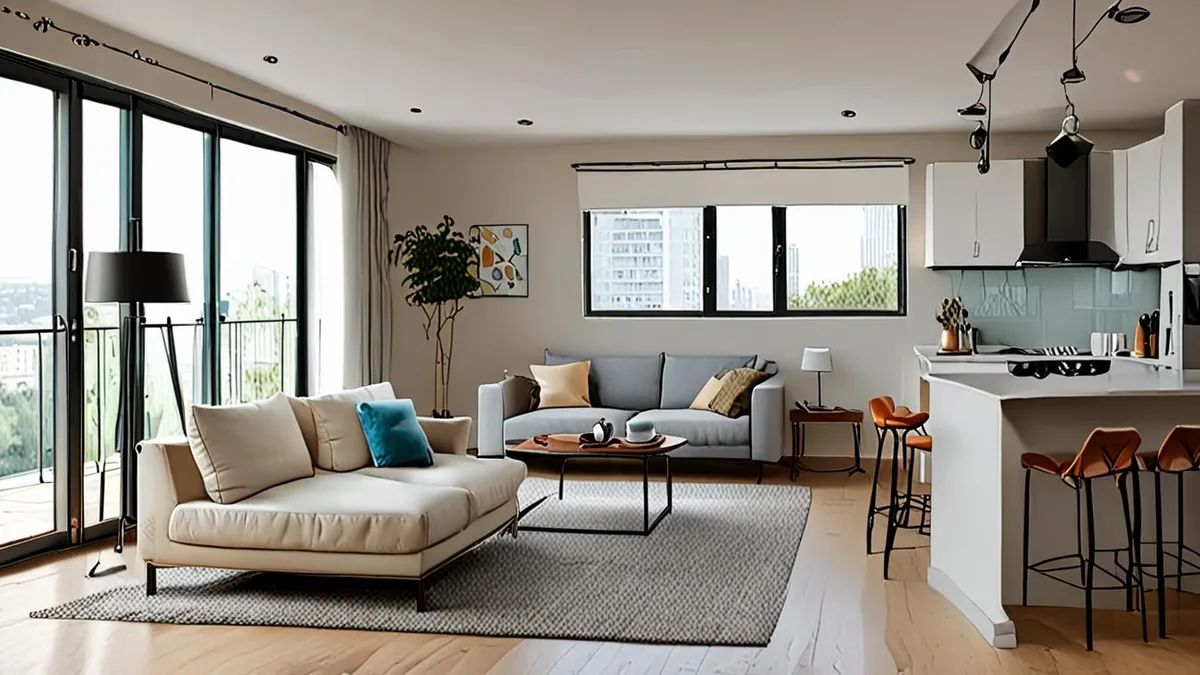
Space is the most immediate difference you’ll feel. Hotel rooms average 25-35 sqm, which is fine for three nights but starts to feel like a shoebox by week two. Serviced apartments average 45-80 sqm, giving you a separate living area, often a proper bedroom, and room to work, cook and relax without living on your bed. Some properties take this even further; you can see how far the format goes in estate-level hospitality for long-stay guests.
The kitchen changes your budget
A full kitchen cuts food costs significantly over multi-week stays. Even cooking breakfast and a few dinners a week makes a noticeable dent compared to eating every meal at hotel restaurants or nearby cafes. You also control what you eat, which matters on trips longer than a couple of weeks.
Laundry is the quieter win. An in-unit washer and dryer avoids hotel laundry fees on trips longer than a week, and it means you can pack lighter instead of stuffing two weeks of clothes into a suitcase. In a hotel, every laundry run is a per-item charge; in an apartment, it’s just part of the routine, like at home. Over a month-long stay, those small daily conveniences are what make an apartment feel livable rather than endurable.
Service and Convenience: Where Hotels Win
If you have ever come back to a freshly made bed, folded towels and a cleared bathroom after a full day of meetings, you already know the biggest service gap between the two options. Hotels clean your room daily as standard. Serviced apartments typically offer weekly housekeeping only, so between visits you are the one wiping counters and taking out the trash.
That daily service matters most when you are in an unfamiliar city. A hotel front desk that never closes can answer questions at midnight, translate a taxi instruction or point you to a pharmacy that is actually open. For travelers without local knowledge, this kind of on-demand help is hard to put a price on.
- 24-hour front desk: Someone is always available to receive deliveries, hold a passport for a visa run or accept an early check-in if a room is free, which matters when flights land at odd hours.
- Concierge: A good concierge can secure restaurant tables in fully booked spots, arrange a reliable driver for a day trip and flag which neighborhoods to avoid after dark.
- On-site dining: Room service and an in-house restaurant mean you can eat without researching where to go, useful on arrival night or when you are too tired to venture out.
- Same-day problem resolution: A broken air conditioner or a leaking shower usually gets fixed or gets you a new room within hours, because the maintenance team works in-house.
- Luggage and transport: Hotels store bags before check-in and after checkout, and can book airport transfers or taxis on your behalf without you lifting a finger.
The trade-off is clear: you pay for all of this whether you use it or not. If you rarely order room service and do not mind a weekly clean, you are paying for convenience you may not need. But if your schedule is unpredictable and you want everything handled under one roof, hotels still win on service.
How to Book Long-Stay Rates
Long-stay pricing is rarely advertised on booking sites, so the travelers who save the most are usually the ones who ask. Properties often hold their best extended-stay rates for direct inquiries, and a short email can reveal discounts that never appear on comparison platforms. A little preparation goes a long way, and the timing of your booking often matters as much as where you book. The five steps below take minimal effort but can easily save you the equivalent of several nights over a multi-week trip.
- Book serviced apartments early. Discounts on monthly or multi-week rates often require booking 30-60 days ahead, because owners price these stays around occupancy planning rather than last-minute fill. If your dates are fixed, reserve as soon as your plans are confirmed.
- Check the minimum stay. Most serviced apartments enforce minimum stays of 3-7 nights, so confirm your dates qualify before falling in love with a listing that will not accept a shorter booking.
- Ask hotels for an extended-stay quote. Call or email the hotel directly rather than relying on published rates; many properties offer corporate or long-stay pricing that never appears online, especially after 7 consecutive nights.
- Add up the extras. Cleaning fees, one-time setup charges, utility surcharges and refundable deposits can sit outside the advertised nightly rate, so request a full cost breakdown in writing before you commit.
- Compare totals, not nightly rates. A slightly higher nightly rate with no cleaning fee or deposit can beat a cheaper option once you add everything up over two or three weeks.
It also pays to be flexible on dates when you can. Shifting a stay by a day or two to meet a minimum-stay threshold or a pricing tier can change the total noticeably. Get quotes in writing from two or three properties, then compare the full amount you will actually pay, including deposits you expect to get back. Keep the email chains until you arrive, so there is no confusion at check-in about what was promised. Ten minutes of comparing written quotes is often the difference between an average deal and a genuinely good one.
Which Option Fits Your Trip Type
The right choice depends less on price and more on what kind of trip you are taking. A two-week work assignment and a two-week holiday look similar on a calendar, but they need completely different rooms. Matching the accommodation style to the trip type is the fastest way to avoid paying for the wrong thing.
Business travelers on assignments of 1-4 weeks tend to thrive in serviced apartments. A separate desk or dining table doubles as a workspace, a kitchen keeps meals on a normal schedule, and the extra room means you can spread out documents without living out of a suitcase on the bed.
Relocation is even more clear-cut. If you are moving to a new city and need a base while you hunt for permanent housing, a serviced apartment gives you the routine of home from day one. On the other end of the scale, if the trip itself is the luxury, a hotel is the point.
- Business trips of 1-4 weeks: Look for apartments with a dedicated desk, strong Wi-Fi and blackout curtains so you can work across time zones without living in a single room.
- Relocation or month-plus stays: Prioritize a full kitchen, in-unit laundry and proximity to your future workplace, since you will be living a real routine, not a travel routine.
- Luxury resort-style escapes: Choose a hotel, ideally somewhere with pools, spas and multiple restaurants; properties like architectural nature retreat hotels with full buyout options exist precisely for travelers who want the property itself to be the experience.
- Short city breaks under 7 nights: These rarely justify an apartment minimum stay; a hotel keeps things simple and puts you near the sights without a weekly clean schedule to work around.
If your trip mixes categories, split the stay. Some travelers book a hotel for the first few nights to recover and get oriented, then move into a serviced apartment once they know the city. It takes a bit more planning, but it means each part of the trip gets the accommodation that actually suits it.
The Bottom Line for Long-Stay Travelers
Most long-stay travelers default to a hotel without ever asking whether it fits the trip, and that habit quietly costs money and comfort. The trade-off is simple: hotels trade money for service and daily convenience, while serviced apartments trade service for space, kitchen access and lower long-stay costs. Neither is better in the abstract.
The right choice depends on your stay length, your budget and how much daily service you actually need. A week of daily housekeeping and a front desk may be worth the premium; a month of restaurant meals and laundry fees rarely is. Match the accommodation to the trip instead of the other way around, and you will usually land in the right place. If this helped you decide, share it with a fellow traveler or tell us in the comments which option you picked.