Booking one hotel for a multi-generational family trip often feels impossible because every age group wants something different. Grandparents need quiet and easy access, parents need rest and logistics that run smoothly, and teenagers need space to be independent without being bored. A property that delights one generation can quietly frustrate the others, and the whole trip suffers for it.
The good news is that the right hotel does exist, and finding it comes down to asking specific questions before you commit. This guide walks through what makes multi-generational travel different, which room configurations and accessibility features to look for, how to keep airport transfers short, the facilities that keep everyone from age four to eighty happy, how to handle dining for large parties, and when and how to book for the best availability and price. Follow these steps and three generations can genuinely enjoy the same trip.
Why Choosing a Hotel for a Multi-Generational Family Trip Is Different
A trip with three generations means three sets of needs competing for the same week. Toddlers run on nap schedules, grandparents have real mobility limits, and teenagers wilt with boredom the moment there is nothing aimed at them. A hotel that only thinks in terms of “family friendly” will serve one of those groups well and leave the other two improvising.
Why standard rooms fall short
The biggest structural problem is sleeping arrangements. Standard double rooms force large families to split across different floors or distant wings, which turns every morning into a coordination exercise. Connecting rooms or a proper suite keep everyone close enough for bedtime routines and early-morning visits without anyone sleeping in a hallway bunk. When comparing options, this single feature should carry more weight than almost anything else.
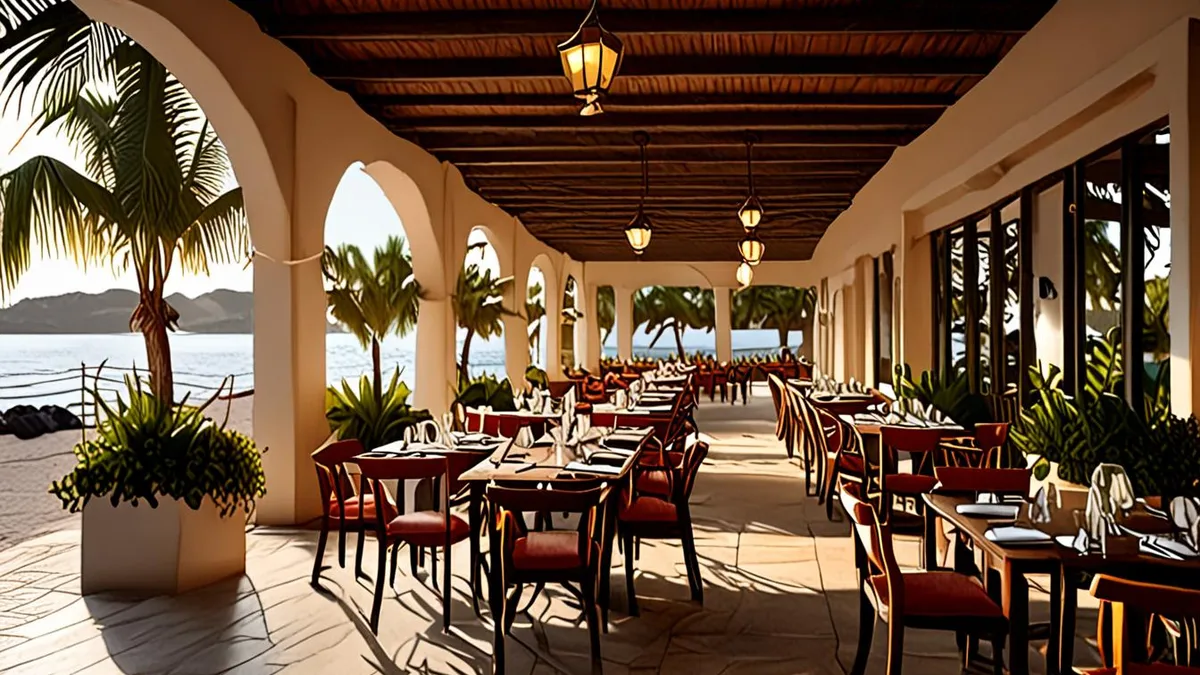
Shared spaces matter just as much as bedrooms. The best moments of a multi-generational trip rarely happen inside a room; they happen around a large table, on a shaded terrace or in a lounge where everyone can gather comfortably. A hotel with generous common areas gives the group a natural meeting point, while a property with cramped lobbies pushes people back into separate rooms.
Budget also works differently here. Per-person costs drop when the family shares suites instead of booking individual doubles, but only if the hotel prices multi-room setups fairly. Some properties quote suite rates that erase the savings entirely, so compare the total for the whole group rather than the headline room rate.
Room Configurations and Accessibility to Look For
Start by prioritizing hotels that genuinely offer connecting rooms, two-bedroom suites or villa-style layouts, rather than properties that simply block several unrelated rooms and call it a family setup. A real multi-room configuration means doors between rooms, shared living space and beds designed for more than one couple. Ad-hoc room blocks leave you knocking on doors and carrying toddlers down corridors at night.
Accessibility deserves its own conversation with the hotel, not a checkbox on a booking form. Call or email directly and confirm the details in writing: ground-floor rooms or reliable lift access, step-free bathrooms, grab bars and reasonable distances from rooms to restaurants and pools. A grandparent who manages fine at home may struggle with a step into a shower or a long walk to breakfast.
Bed configurations are where many “family rooms” disappoint. The label often means one king bed plus a sofa bed that is unsuitable for an adult, let alone two. Ask exactly what sleeps how many people, and on what kind of mattress, before you commit to anything.
- Ask about bedding surcharges upfront. Cribs, rollaway beds and extra bedding frequently carry nightly fees, and for a group needing several extras these charges add up quickly.
- Confirm who cleans and restocks what. With multiple rooms under one family, check whether housekeeping treats the block as one unit or charges extra for additional beds and towels.
- Request rooms near each other at booking, not at check-in. Hotels assign rooms on a first-come basis, so a written request made early has a far better chance than one made at the front desk.
Location and Transfers: Keeping Travel Days Short
Travel days can make or break a multi-generational trip, so keep them short. Aim for hotels within 60-90 minutes of your arrival airport. That window keeps transfers manageable for elderly relatives and toddlers, who find long drives in an unfamiliar vehicle far more exhausting than the flight itself. A remote resort that looks idyllic online can cost the family half a day in each direction.
Walkability and independence
Walkable surroundings beat remote resorts when half the group wants afternoon independence. Teenagers can wander to a café, grandparents can take a gentle stroll, and parents are not running a taxi service all week. A hotel on the edge of a town or village gives everyone somewhere to go without organizing a vehicle.
For a party of 10 or more, transfers need advance planning. Verify that the hotel offers shuttle service that can actually accommodate your whole group, or ask whether it can arrange private transfers. Splitting a large family across three taxis with unknown drivers is a stressful way to start a trip, and pre-booked private transport usually costs less than you expect once divided among everyone.
Finally, weigh everyday practicality over nightlife. Proximity to pharmacies, clinics and supermarkets matters far more for multigenerational groups than bars and clubs. Someone will need sunscreen, motion-sickness tablets or a late-night snack, and being able to walk to a shop instead of arranging a trip saves both money and patience.
Facilities That Keep Every Generation Happy
The fastest way to ruin a multigenerational trip is to book a hotel that only entertains one age group. If the kids are bored, the parents get no break; if the grandparents have nowhere to escape the noise, everyone feels it. The best resorts think in terms of parallel programming: activities for children, space for teens, and genuine quiet for adults and older relatives. That balance is what turns a crowded family week into a vacation each generation actually enjoys.
Before you commit, ask the hotel exactly what is included and for which ages. A “kids’ club” that only runs for two hours a day is not real downtime for parents, and a pool with no shallow section will keep you on constant toddler watch. Use this checklist when comparing properties:
- Confirm the kids’ club accepts ages 4-12 and ask whether sessions are drop-in or must be pre-booked, since pre-booked slots can fill before you arrive.
- Look for a dedicated teens’ lounge or games room with consoles, table football or Wi-Fi strong enough for streaming, so teenagers are not glued to the family table all evening.
- Check that at least one pool has a shallow, gradual entry and that shaded lounging areas sit within sightline of the water, letting grandparents supervise comfortably while toddlers splash.
- Ask about quiet alternatives such as a spa, golf access or a library-style lounge where older family members can read away from children’s noise.
- Request adjacent sun loungers or a cabana as early as possible; prime poolside spots often sell out in high season, and splitting your group across the pool deck defeats the purpose of traveling together.
Finally, ask whether facilities carry extra charges. Kids’ clubs, spa treatments and cabana rentals are frequently billed separately, and these add-ons are easier to budget for before arrival than during checkout. Get any daily activity schedules in writing, too, so you can plan around them.
Dining and Group Logistics for Parties of 10 or More
Dining is where multigenerational trips either run smoothly or fall apart. A party of 10 or more cannot simply walk into a resort restaurant at 7 p.m. and expect one long table, so food logistics deserve as much research as the rooms themselves.
Seating a large group
Start by confirming the restaurant can physically seat your whole party together. Many resorts treat parties of 10+ as group bookings, which can mean a deposit, a minimum spend or a fixed seating time. None of these are dealbreakers, but you want to know about them before arrival, not when the hostess hands you three separate tables. If the hotel offers a private dining room or family-style menus, ask for details: shared platters simplify ordering enormously when you are juggling picky kids, grandparents and everyone in between.
Schedules, room service and dietary needs
Eating times rarely align across three generations. Grandparents often prefer an early dinner, while toddlers eat before either group is ready. Check breakfast hours and whether room service is flexible enough to cover early risers and late sleepers, because a rigid breakfast window can turn mornings into a scramble.
Dietary requirements need special attention. Allergies, low-salt meals and kids’ menus are usually available, but “usually available” is not the same as guaranteed. Ask the hotel to confirm in writing that specific meals can be prepared for specific family members, and follow up with the restaurant directly if the reservation was made through a tour operator. A short email exchange now prevents the most stressful kind of dinner conversation later.
When and How to Book: Timing and Budget Planning
Booking a trip for three generations rewards early planning more than almost any other kind of travel. The rooms that work best for large families are also the scarcest, so timing and a clear budget make the difference between a smooth reservation and a compromise nobody loves. Before you even start comparing hotels, agree within the family on your travel window, your rough per-person budget and which non-negotiables matter most, whether that is adjoining rooms for the grandparents or a pool shallow enough for toddlers. Having those priorities fixed makes every later decision faster, and it stops the group from drifting toward a property that looks impressive online but cannot actually accommodate a party of your size.
- Book 6-9 months ahead if you are traveling in June-August or mid-December to early January. These peak windows see family suites and connecting rooms sell out first, and the remaining inventory is rarely what you actually need.
- Consider shoulder-season dates in April-May or September-October instead. Rates often drop 15-30% versus peak months, and pools, restaurants and shuttle buses are noticeably less crowded with young children and older relatives in tow.
- Budget for the room type honestly. Connecting rooms and family suites typically run 20-40% more per person than standard doubles, so price the real configuration rather than assuming standard room rates will hold.
- Confirm the entire room block in a single reservation rather than several separate bookings. One reservation keeps your group’s rooms adjacent and gives the hotel a clear picture of your party from day one.
- Reconfirm accessibility requests 2-3 weeks before arrival, including ground-floor or lift-access rooms and any step-free bathroom needs, so there is time to fix any dropped details.
Once the reservation is in place, put the key dates in your calendar: the balance-payment deadline, the reconfirmation window and any cutoff for canceling individual rooms without penalty. A little administrative discipline now is what keeps the trip itself relaxed. It also helps to nominate one family member as the single point of contact with the hotel, so requests do not get lost between relatives and the front desk never receives conflicting instructions. Send a short written summary after every phone call, covering room types, bedding needs and any special requests, and keep the confirmations together in one shared folder. If plans change and a room needs to be released, you will know exactly which deadline applies instead of scrambling at the last minute. A few minutes of paperwork months before departure buys you the freedom to simply enjoy the trip once you arrive.
The Right Hotel Makes Three Generations Feel at Home
Finding a single hotel that keeps grandparents, parents and kids equally content is tricky, since each generation measures a great vacation differently. The fix is a property that pairs flexible room setups with short transfers and facilities that genuinely work for everyone from ages 4 to 80. When those three basics line up, the whole family relaxes instead of negotiating.
Two habits protect both your budget and your sanity. Book 6-9 months out and consider shoulder-season dates, when family suites are easier to secure and rates tend to be friendlier. Then confirm the details that cause most group-trip failures — dining arrangements, accessibility needs and bedding configurations — in writing before you travel. A few careful questions at booking time are what turn a good hotel into the right one. If this helped you plan your own family trip, share it with a relative or leave a comment below.